

Fraud & Scam Alerts: Protecting Yourself in the Digital Age
Nowadays, financial fraud and scams are commonplace. Scammers are always coming up with new ways to con people, including phony investment schemes, phishing emails, and phony phone calls. The fact of the matter is that, if they aren’t careful, anyone can be a victim. The good news? You can safeguard both yourself and your money with awareness and simple precautions. Scams in the financial industry Phishing in Messages and Emails One of the most common scams is phishing. Fraudsters pose as banks, payment apps, or government agencies in their emails, SMS, or WhatsApp messages. Personal information, such as account numbers, passwords, or OTPs, is requested. Malicious links can also infect your device with malware. Fake Investment Schemes
Swindlers frequently promise high returns on investments in gold, mutual funds, or cryptocurrency. In order to entice individuals, they make use of eye-catching advertisements or promotions on social media. Many victims lose thousands before realizing the scheme was fake.
Scams via phone and vishing Fraudsters call pretending to be from your bank, insurance company, or government agency in this kind of scam. They trick you into sharing private information by making you feel rushed, such as by announcing that your account will be blocked. Scams in Online Marketplaces Buying or selling online comes with its risks. Fake product listings, advance payment scams, and fraudulent sellers are common on marketplaces. The product either does not arrive or is not as described after payment is made. How to Stay Safe
Always verify the origin of any calls, messages, or emails you receive. Your passwords, OTPs, and PINs will never be requested by banks or government agencies. Don’t Click on Links From Unknown Sources: Don’t click on links from unknown sources. Instead, go directly to the official website or app. Examine Investment Possibilities: Be wary of high-return promises of low or no risk. Before making an investment, do thorough research. Make use of trusted platforms and, if necessary, seek advice from experts. Secure Your Devices: Make sure the most recent security patches are installed on your computer and smartphone. Use strong passwords and antivirus software. Learn about scams: Being aware is your first line of defense. To remain informed, adhere to official news, consumer alerts, and financial websites. What to Do If You Are Targeted
Users who are careful can be targeted. If you think it’s a con: It should be reported right away to your bank, payment service, or local authorities. Change passwords and PINs for affected accounts.
Keep a close eye on your accounts for any unusual activity. Inform your friends and family to keep them from falling prey to the same fate. Final Thoughts
Scams in the financial sector are always changing, but so can your defenses. Your best weapons are vigilance, awareness, and skepticism. Keep in mind that anything that seems too good to be true probably is. You can avoid major financial losses by taking simple precautions like verifying sources, securing devices, and staying informed. The fact of the matter is abundantly clear: in the digital world of today, safeguarding one’s finances entails more than just prudent spending; it also entails remaining alert and proactive. Be cautious whenever you receive a questionable call, message, or offer. Your safety—and your money—depend on it.
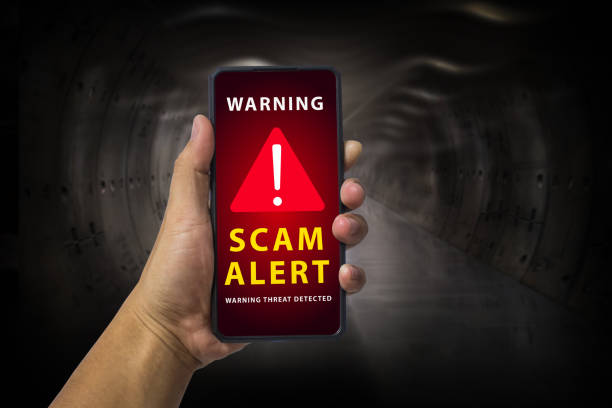
Fraud & Scam Alerts



Leave a Reply